Updated July 17, 2026. There is no official SSA announcement of a universal Social Security ?bonus check? for July 2026. If you see two deposits this month, the most common calendar explanation applies to Supplemental Security Income (SSI): the July 31 deposit is the August SSI payment arriving early. Other unexpected amounts can be account-specific corrections, retroactive benefits or even an erroneous payment, so identify the deposit before spending it.
Is There an Extra Social Security Bonus Check in July 2026?
No universal bonus is listed on the Social Security Administration's official July 2026 payment calendar. Regular Social Security retirement, survivor and disability payments continue under their normal schedule rules. SSI has two scheduled deposit dates during July, but that calendar pattern does not create an extra month of benefits.
The word ?extra? can be misleading. It may describe a second bank transaction in one calendar month, but it does not explain which benefit month the money covers. It also does not prove that Congress or SSA approved a new payment for everyone. The current official schedule?not a social post, video thumbnail or recycled headline?is the proper starting point.
A credible universal-payment announcement would identify the legal or administrative authority, the people covered, the payment amount or calculation, and an official delivery schedule. It would also appear on SSA.gov or another responsible federal agency's website. A headline that supplies only a dollar figure, says ?checks are going out,? or reuses an old policy story does not meet that standard.
Be especially cautious when a story combines unrelated facts. An annual cost-of-living adjustment can raise a regular monthly amount. A weekend can move SSI to an earlier date. A retroactive correction can create a separate deposit for a defined person or group. None of those facts, alone or together, establishes a new bonus for every retiree, disabled worker or SSI recipient.
The same caution applies to pending legislation. A proposed bill is not a scheduled payment unless it has completed the lawmaking process and the responsible agency has issued implementation details. This article found no official SSA notice of a universal July 2026 bonus. If that status changes in the future, the evidence should be a dated federal announcement?not the repetition of a viral claim.
Why SSI Pays Twice in July 2026
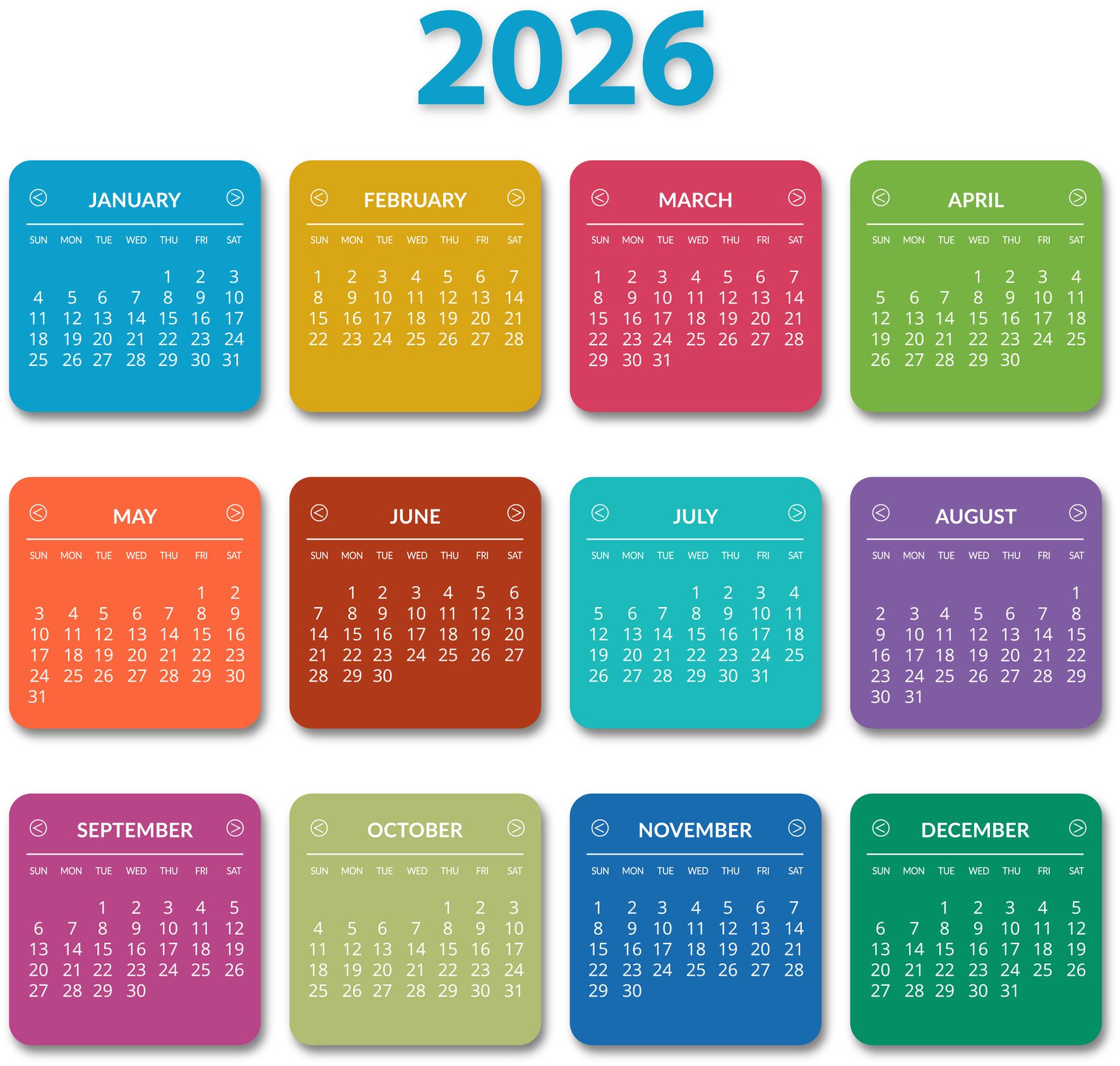
SSI is normally paid on the first day of the month. When the first falls on a Saturday, Sunday or federal holiday, SSA schedules SSI for the preceding business day. August 1, 2026 is a Saturday, so the August SSI payment moves to Friday, July 31.
| Deposit date | Benefit month | Why it appears in July |
|---|---|---|
| July 1, 2026 | July 2026 SSI | Regular first-of-month payment |
| July 31, 2026 | August 2026 SSI | August 1 falls on Saturday, so payment moves to the prior business day |
That means a recipient should not expect another regular SSI payment during August 2026. The 2026 SSI payment schedule shows the benefit month and actual scheduled date side by side, which makes the shift easier to see. Our July payment page and August payment page provide the same distinction in monthly views.
A financial institution may make an electronic deposit visible before the official payment date, but that is a bank-posting practice, not another SSA entitlement. Use the date SSA schedules and the benefit month in your notice or account when budgeting.
Five Reasons a Deposit Can Look Like Extra Money
Two deposits do not always have the same explanation. Classify the transaction before deciding what it means.
| Possible explanation | What it means | How to confirm |
|---|---|---|
| Early SSI | Next month's SSI moved to the prior business day | Compare the date with SSA's official calendar |
| SSI plus Social Security | Two different benefit programs paid on separate schedules | Review benefit types in my Social Security and SSA notices |
| Retroactive benefit or underpayment correction | SSA may owe money for an earlier period or correct a prior calculation | Read the account-specific SSA notice |
| State supplement or another identified adjustment | A separate program or payment component may appear as another transaction | Match the payer and description to an official notice or agency record |
| Possible erroneous payment | The money may later be identified as an overpayment | Leave it untouched and contact SSA through official channels |
The amount alone cannot reliably identify the category. A payment equal to your usual SSI amount may fit an early-calendar shift, while a different amount may reflect a correction?but neither conclusion is certain without the official record. Never publish a screenshot containing your name, bank details, claim number or transaction identifier to ask strangers to diagnose it.
Also distinguish a posted transaction from a pending authorization or bank-generated alert. A notification can arrive before the institution finishes posting the deposit, and descriptions can be abbreviated. Your bank can explain whether an entry is pending, posted, reversed or duplicated; SSA must explain why a federal benefit was issued and which period it covers.
Early SSI Is Not the Same as Two Benefit Months
July is not the only 2026 month with two scheduled SSI dates. The official calendar also produces two deposits in October and December:
| Calendar month with two dates | Regular payment | Early next-month payment |
|---|---|---|
| July 2026 | July SSI on July 1 | August SSI on July 31 |
| October 2026 | October SSI on October 1 | November SSI on October 30 |
| December 2026 | December SSI on December 1 | January 2027 SSI on December 31 |
Each pair still covers two consecutive benefit months. The early deposit should be budgeted for the following month, when there will be no separate first-of-month SSI deposit. Moving the date changes cash-flow timing; it does not increase the total number of monthly entitlements.
This is also why ?double payment month? is more accurate than ?double benefits,? though even that phrase needs context. The bank statement shows two transactions in one calendar month. The benefit record shows one payment for each of two benefit months.
Retroactive Payments and Corrections Are Account-Specific
Some separate deposits are legitimate money SSA owes. A retroactive payment can cover an earlier period after an award or policy correction. An underpayment correction can address money that should have been paid previously. These are real categories, but they are not universal bonuses and their amount and timing depend on an individual record.
For example, SSA officially announced targeted retroactive payments in 2025 for people affected by the repeal of the Windfall Elimination Provision and Government Pension Offset. That announcement identified a defined affected group. It cannot be reused as evidence that every beneficiary receives an extra check in July 2026.
A genuine account-specific adjustment should be supported by information from SSA: an online notice, mailed notice, benefit details or confirmation from an SSA representative. The notice may arrive separately from the deposit. Until the source is clear, avoid assuming that a larger balance is yours to use.
Could the Unexpected Money Be an Overpayment?
Yes. An unexpected deposit may eventually be identified as money SSA says you were not entitled to receive. SSA's overpayment process includes a written notice explaining the amount and reason, along with options for responding. This article cannot decide whether a payment is correct, whether you were at fault or whether you qualify for reconsideration or waiver.
The safest immediate choice is to preserve the unexplained amount while you verify it. Do not send money to someone who contacts you unexpectedly, and do not follow a payment link in a text or email. If SSA identifies an overpayment, use the instructions on SSA.gov and the official notice. Government impostors often use urgency and unusual payment methods to steal money.
An early SSI payment shown on the published calendar is not automatically an overpayment merely because it appears in the prior month. SSA's rules specifically provide for that timing. The concern arises when the transaction does not match a known schedule, benefit or official adjustment.
How to Verify an Unexpected Social Security or SSI Deposit
- Record the date and description privately. Do not post the full transaction or account information online.
- Compare the official calendar. Check whether the date is a regular Social Security payment, regular SSI or early SSI for the next month.
- Review my Social Security and SSA notices. Look for a payment detail, award, correction or overpayment explanation.
- Ask your financial institution what it can see. Confirm whether the entry is posted, pending, duplicated or reversed, without relying on the bank to interpret SSA eligibility.
- Contact SSA independently. Use SSA.gov or call 1-800-772-1213. Do not use a phone number sent in an unsolicited message.
- Keep the money available until identified. An unexplained deposit is not safe to spend simply because it reached the account.

If a payment expected under the normal schedule is missing rather than duplicated, use our missing Social Security payment checklist. A missing-payment report and an unexplained-extra-deposit question are different problems, even though both begin with the schedule and bank transaction history.
What This Means for Retirement, SSDI and Combined Benefits
The July 31 explanation is specific to SSI. It should not be applied automatically to every Social Security retirement or SSDI recipient. For most people who started Social Security benefits after May 1997, retirement, survivor and SSDI payments are scheduled on the second, third or fourth Wednesday according to the relevant birthday group.
People who received Social Security before May 1997, or who receive both SSI and Social Security, generally follow a different pattern: SSI on the first and Social Security on the third, with adjustments when a scheduled date falls on a weekend or federal holiday. Seeing an SSI deposit and a Social Security deposit in the same month therefore reflects two programs, not a bonus.
Use the full 2026 Social Security payment schedule to identify the rule that applies to your benefit type. Then confirm your personal date and amount in your SSA notice or account. Public calendars explain timing; they cannot determine an individual's entitlement.
The Bottom Line
There is no confirmed universal Social Security bonus check for July 2026. For SSI recipients, the July 31 deposit is the August benefit paid early because August 1 falls on a Saturday. Other unexpected deposits may be legitimate account-specific adjustments or possible errors, but only SSA and the official payment record can identify them.
Compare the date with SSA's calendar, review your notice and account, and contact SSA through its official website or published number before spending unexplained money. SocialSecurityPayment.net is an independent information site, is not affiliated with SSA and cannot track or approve a benefit payment.
Loading comments...