
Updated September 19, 2026. Social Security is finishing its move away from recurring paper benefit checks. The change affects how a payment reaches you; it does not create a new benefit cut or a special bonus. If you still receive a mailed Social Security or Supplemental Security Income check, choose an electronic route through an official channel or determine whether Treasury's narrow waiver process fits your circumstances.
Start here: You do not need to pay anyone to convert a benefit payment. Do not give a caller your Social Security number, bank account, card PIN, or login code.
What is ending, and when
The phaseout concerns recurring paper checks mailed for federal benefits. It does not mean Social Security retirement, survivor, disability, or SSI payments themselves are ending. It also does not turn every mailed SSA document into an electronic message. Award notices, verification letters, questionnaires, and other correspondence can still arrive by mail even when the money is deposited electronically.
Two dates appear in current coverage. Treasury's electronic-payment requirement took effect on September 30, 2025 for most federal payments. SSA then said on June 2, 2026 that it planned to complete the remaining beneficiary transition during 2026. Reading the second announcement as a repeal of the first, or the first date as proof that no check could possibly arrive afterward, misses the implementation period.
September 30, 2025 was the federal policy date
Treasury described September 30, 2025 as the date most federal payments then made by paper check had to become electronic. SSA's earlier transition notice used the same date and reported that fewer than 1% of beneficiaries still received checks at that time. Most recipients therefore needed no action because they already used a bank account, credit-union account, or prepaid benefit card.
The rule did not authorize strangers to “verify” a person's payment details. It directed agencies and Treasury to move delivery to electronic funds transfer, subject to applicable waivers. A person who continued receiving a check after the policy date should verify status through SSA or Treasury rather than assume the check is invalid or that a private conversion service is required.
SSA says its remaining transition will finish in 2026
The June 2026 SSA update is the clearest current statement for the remaining group: SSA plans to complete the full transition during 2026. It urges paper-check recipients to switch promptly, but it does not publish one new day on which every unresolved case will behave identically. A waiver request, an address problem, returned mail, or incomplete enrollment can change the practical path.
SSA also says paper checks are 16 times more likely than electronic payments to be lost, stolen, altered, or returned undeliverable. Electronic delivery removes postal transit but does not eliminate every risk. A wrong routing number, closed account, frozen prepaid card, or scam-induced account change can still interrupt access, which is why the enrollment and first-deposit checks below matter.
Choose the electronic payment method that fits
Most people will choose between direct deposit to an existing account and the Treasury-sponsored Direct Express prepaid card. Both deliver the benefit electronically on SSA's scheduled payment date. They differ in how money is accessed, what customer service handles account problems, and which fees or account terms apply.
Before choosing, list the ways the recipient normally uses the payment: automatic rent, cash withdrawals, checks, online bills, caregiver purchases, or transfers. Then read the financial institution's or card program's current terms. SSA sets and issues the benefit, while the bank, credit union, or card servicer controls many account-level functions after funds arrive.
Direct deposit to a bank or credit union
Direct deposit sends the payment through the banking system to a checking or savings account. It can be practical when the recipient already has an account with reliable access, understands its fee rules, and uses it for bills. The account and routing information must be exact. A transposed digit or closed account can cause the payment to be returned rather than redirected to a new destination automatically.
Ask the institution whether it accepts ACH federal benefit deposits and what ownership information it requires. A beneficiary or representative payee should not assume that any friend's account is suitable. SSA has rules about payment ownership and representative-payee accounts. The site's detailed Social Security direct-deposit change guide explains the available update channels and identity checks.
Direct Express when you do not have a bank account
Direct Express is a Treasury-sponsored prepaid debit card, not a conventional checking account and not a credit card. Treasury says enrollment does not require a bank account, credit check, or minimum balance. Each month's federal benefit is loaded to the card account on the applicable payment date, after which the cardholder can make purchases, pay bills, or obtain cash where supported.
Review the current fee schedule and access rules before enrolling. Some uses may be free while particular ATM, replacement, transfer, or international transactions may cost money. Keep the official customer-service number in a safe offline place, but never share the PIN or one-time code. People who prefer a bank account can explore insured accounts through an institution of their choice; the electronic-payment rule does not force someone to buy a commercial “benefit account.”
How to switch without exposing your benefits
The safest conversion starts from a web address you type, an SSA account you already use, your financial institution, or a verified government notice. Avoid a link in an unsolicited text, social-media advertisement, email, or search ad. A convincing caller ID is not proof that the caller is from SSA, Treasury, a bank, or Direct Express.
Use an official enrollment channel
SSA directs eligible beneficiaries to sign in to a personal my Social Security account to add or change direct deposit. A bank or credit union may also transmit the enrollment electronically, and SSA can assist through its official service channels. People without bank accounts can start from Treasury's Direct Express page or GoDirect resources. Type the government address yourself and check for the .gov domain.
Different official pages list different numbers because Direct Express enrollment, card servicing, SSA, and Treasury's broader Electronic Payment Solution Center perform different jobs. Use the number on the current government page for the task at hand. Do not call a number supplied by an unexpected caller. The my Social Security login guide explains the sign-in providers without asking for credentials.
Record the change and watch the first deposit
Keep the submission date, method, confirmation reference if one is provided, and only the last four digits of the destination account. Note the month SSA says the change should take effect. Do not keep a routing number, full account number, password, or recovery code in an unprotected document. Review the next scheduled payment in the SSA account and at the receiving institution.
A change submitted near a processing cutoff may not reroute a payment already sent. The old financial provider may receive one final deposit, reject it, or return it to Treasury. Do not submit repeated destination changes to chase the payment; that can make the trail harder to follow. Instead, use the payment tracking steps to determine whether SSA issued it and which provider must investigate.
Representative payees should confirm whose account is being updated
An appointed representative payee receives and manages benefits for someone else. The account title should reflect that fiduciary arrangement and the beneficiary's ownership of the funds. A relative who helps with errands but has not been appointed should not redirect a benefit into a personal account merely because paper checks are ending.
The payee should review the appointment notice, current account title, and SSA instructions before changing delivery. If SSA sends a transition notice to the beneficiary while the payee controls payments, contact SSA through a verified channel and clarify which record requires action. Never upload appointment papers, a beneficiary's SSN, or bank documentation to a public help forum.
When a Treasury waiver may preserve a paper check
A waiver is an exception to Treasury's electronic-payment requirement, not a request to SSA for a preferred delivery method. Fiscal Service said that existing waiver procedures remained in effect while it reviewed updated guidance. Because the process can change, use the current Treasury instructions and form version rather than an old copy saved on a third-party website.
The individual hardship grounds are narrow
The individual waiver grounds in the current framework focus on two forms of hardship: a mental impairment that makes managing a financial or Treasury-sponsored account impracticable, or residence in a remote geographic area that lacks the infrastructure needed for electronic transactions. Merely preferring a check, distrusting online banking, living in a rural ZIP code, or lacking a bank account does not necessarily satisfy those standards. Direct Express exists specifically to provide an electronic route without a bank account.
Part 208 also describes certain automatic situations, including some legacy recipients and payment or card circumstances. Those provisions are technical and may not match a person's assumptions. Ask Treasury whether a waiver is already recognized or whether an individual request is required. SSA's statement that a waiver may be available does not promise approval.
How FS Form 1201W works
Treasury's FS Form 1201W is the “Request for Payment of Federal Benefits by Check.” It asks which federal benefit is involved, why electronic delivery would impose the recognized hardship, and for a short supporting explanation and certification. A representative payee must answer in the payee context when applicable. Treasury, rather than this website, evaluates the request.
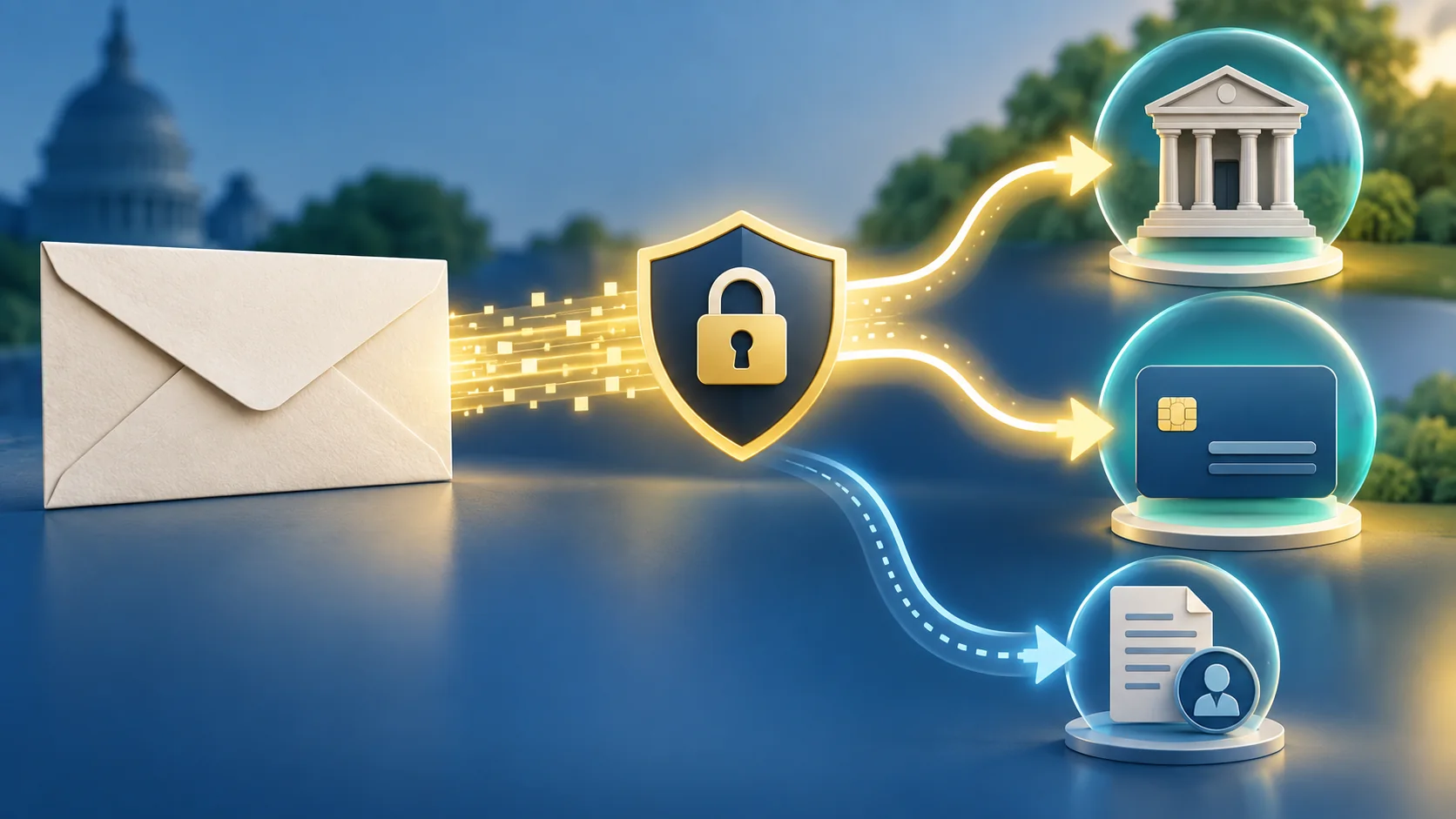
The form requests sensitive identifying information because Treasury must match the payment. Download it only from GoDirect or another official Treasury page, complete it privately, and mail it to the address printed on the current form. Do not email it to an unknown helper or enter its contents on this site. Keep a copy and mailing evidence. Filing a request is not a guarantee, so continue to follow the payment instructions Treasury or SSA gives while it is pending.
Problems to solve before the next payment date
A transition problem is easier to trace when you separate SSA's payment record from the destination provider's account record. Start with the date SSA was supposed to pay your benefit, not an “early deposit” date advertised by a bank or card. Early availability is a provider practice and may change; the official schedule remains the dependable checkpoint.
You made a change but the deposit did not arrive
Check whether SSA shows the new destination and effective month. Then review both the old and new account if you can do so safely. Ask the new bank, credit union, or card servicer whether it sees a pending, rejected, or returned federal payment. The provider may need the scheduled date and amount, but it should not need your SSA website password.
If the provider has no record, contact SSA and ask whether the payment was issued, where it was sent, and whether it was returned. A returned deposit may need to reach Treasury before SSA can reissue it. Do not treat an absent payment as permission to enroll repeatedly with different accounts. Use the site's missing-payment checklist to keep the contacts and evidence in order.
You received an unexpected call, letter, or link
The paper-check transition gives impersonators a believable story: “Your payment will stop unless you verify today.” Caller ID can display a real agency name or number even when the call is fake. Stop the interaction and independently type SSA.gov or Treasury.gov, or call a number from an official notice you already trust. Do not use the number or link supplied by the suspicious message.
SSA and Treasury do not charge a conversion fee or demand gift cards, cryptocurrency, wire transfers, or a payment-app transfer to protect benefits. A genuine enrollment may require sensitive financial information, but that should occur only inside a verified official or financial-institution channel you initiated. If information was disclosed, contact the financial provider promptly, secure the SSA sign-in, and report the impersonation to the appropriate government fraud channel.
A paper-check transition checklist
- Confirm what arrives by mail. Identify whether it is the recurring benefit payment, an SSA notice, or unrelated correspondence. Electronic payments do not eliminate all agency mail.
- Check the beneficiary and payee arrangement. If a representative payee is appointed, make sure the person authorized to manage the benefit handles the destination change.
- Choose an electronic route. Compare an existing bank or credit-union account with Direct Express access, fees, customer service, cash needs, and bill-payment habits.
- Initiate the enrollment yourself. Start at SSA.gov, Treasury's GoDirect/Direct Express resources, or a financial institution you know. Ignore unsolicited conversion links.
- Enter and repeat account details carefully. Confirm routing and account numbers with the institution. Never send those numbers to this independent website.
- Save a limited record. Keep the date, channel, confirmation, expected effective month, and last four account digits without storing passwords or full credentials.
- Watch the official payment date. Check the old and new destinations around the first effective payment. Separate the scheduled SSA date from a provider's optional early-posting date.
- Use the waiver process only when it fits. Read the current FS Form 1201W and 31 CFR Part 208 criteria. Treasury decides whether the stated hardship qualifies.
- Escalate a missing payment in sequence. Verify SSA's issuance, ask the destination provider about pending or returned funds, then request tracing or reissue guidance from SSA.
Independent-site reminder: SocialSecurityPayment.net cannot change a delivery method, submit a Treasury waiver, trace a federal payment, or access an SSA account. Use official channels for every transaction involving personal or financial information.
The transition is manageable when it is treated as a delivery change with a documented handoff. Direct deposit suits many people who already use an account. Direct Express gives people without one an electronic option. A narrow Treasury waiver remains a possible route for recognized hardship. None of those paths requires paying an unsolicited caller or revealing credentials to a blog.
Primary sources: SSA's June 2026 transition update; SSA direct-deposit options; Treasury's Direct Express guide; FS Form 1201W; and FTC impersonation-scam guidance.
Loading comments...